
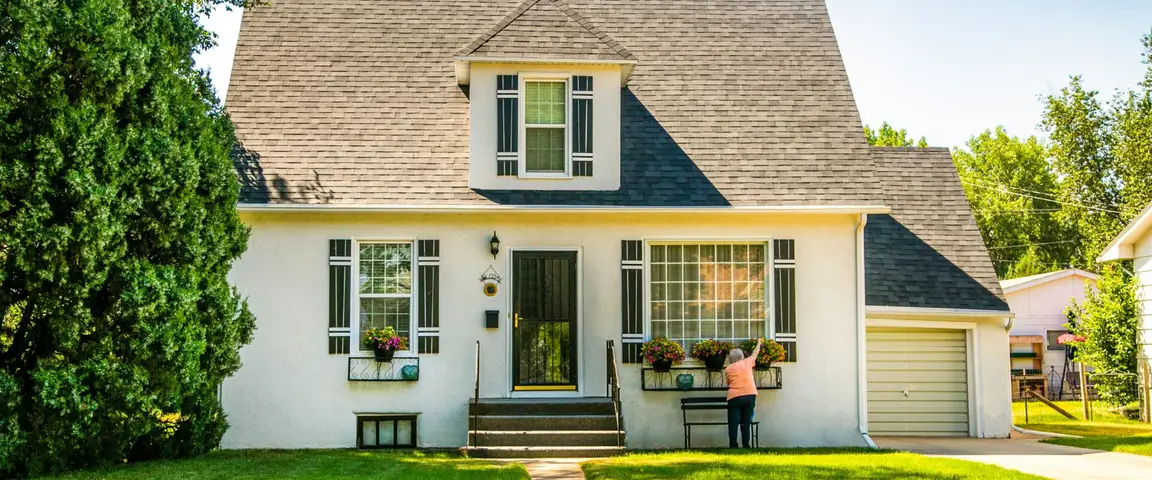
Selling a house “as is” in Colorado can be a viable option for homeowners looking to streamline the selling process and avoid the hassle of making repairs or renovations. If you’re a seller searching for guidance on selling your house “as is” in Colorado, you’ve come to the right place. This comprehensive step-by-step guide will provide you with valuable insights and actionable tips to successfully navigate the process.
- Determine the Market Value:
Before listing your house “as is,” it’s crucial to have a clear understanding of its market value. Consider hiring a professional appraiser or real estate agent who specializes in your area to assess the fair market value of your property. They will take into account factors such as the house’s condition, location, comparable sales, and current market trends to provide you with an accurate estimate.
- Disclose the Property’s Condition:
Transparency is key when selling a house “as is.” It’s essential to disclose any known issues or defects to potential buyers upfront. In Colorado, sellers are required to complete a Seller’s Property Disclosure form, which outlines the property’s condition to the best of your knowledge. Providing honest and comprehensive disclosures builds trust with buyers and helps manage their expectations.
- Enhance Curb Appeal:
While you may be selling your house “as is,” improving its curb appeal can still make a significant difference in attracting potential buyers. Focus on simple and cost-effective enhancements such as cleaning the exterior, mowing the lawn, tidying up the landscaping, and applying a fresh coat of paint to the front door. These small improvements can create a positive first impression and increase buyer interest.
- Price Your House Competitively:
Pricing your house strategically is crucial when selling “as is” in Colorado. Consider the property’s condition and any necessary repairs or updates that buyers may have to undertake. Consult with your real estate agent to determine a competitive price that reflects the house’s condition and aligns with the current market trends. A realistic price will attract serious buyers and expedite the selling process.
- Target Investors and Cash Buyers:
When selling a house “as is,” it’s essential to target potential buyers who are willing to invest in properties that require repairs or renovations. Investors and cash buyers are often more open to purchasing houses in their current condition, as they have the resources and expertise to handle the necessary improvements. Collaborate with your real estate agent to market your property specifically to these buyer segments.
- Market Your Property Effectively:
To maximize exposure and attract potential buyers, leverage various marketing channels to showcase your house “as is.” Utilize online platforms, such as real estate listing websites and social media, to highlight the property’s strengths and emphasize its potential. High-quality photos and compelling descriptions can capture buyers’ attention and generate interest in your house.
- Negotiate the Terms:
When selling “as is,” be prepared for potential negotiations with buyers. Understand that buyers may request inspections to assess the property’s condition thoroughly. Be open to allowing inspections but set clear expectations regarding repairs or credits. Consult with your real estate agent to navigate negotiations effectively and protect your interests throughout the process.
Selling a house “as is” in Colorado can be a viable option for homeowners seeking a simplified selling process. By following this step-by-step guide, you can effectively navigate the process, attract potential buyers, and secure a successful sale. Remember, working with an experienced real estate agent can provide invaluable expertise and guidance, ensuring a smooth transaction while achieving your selling goals.

Have a house that needs work? Grail Capital buys as-is, which means no repairs, no cleanout and no inspection objection. See exactly how we price a house that needs work, or get a no-obligation offer.
What “as is” actually means in a Colorado contract
Most people use “as is” to mean “I am not fixing anything.” In the Colorado Real Estate Commission’s standard residential contract it means something narrower, and the gap between the two is where sellers get into trouble.
The “as is” language sits in paragraph 10.2, and it opens with the words “except as otherwise provided in this contract.” Everything else in the contract still applies. Paragraph 10.2 itself requires the seller to disclose any adverse material facts actually known by the seller, and the contract does not define what counts as an adverse material fact. Paragraph 10.6 separately requires you to hand over certain due diligence documents, and a buyer can sue over those alone.
So “as is” means the buyer takes the property’s condition as they find it and you are not agreeing to repair anything. It does not mean you can stay quiet about what you know.
The disclosure duty does not go away
There is no Colorado statute that requires the Seller’s Property Disclosure form, and the parties can strike paragraph 10.1 from the contract. That surprises people, and it is where the dangerous advice starts.
Removing the form does not remove the exposure. Buyers can still bring common-law claims for misrepresentation, nondisclosure and concealment. The disclosure form itself says that known adverse material facts must be disclosed whether or not a specific item on the form asks about them. And as the Colorado Bar Association has put it, the law will rarely protect a seller who commits fraud — claims founded on fraud or willful and wanton conduct can carry exemplary damages, and a fraud judgment can be difficult to discharge in bankruptcy.
The practical version: sell the condition, disclose the knowledge. Tell a buyer the basement took water in 2023 and sell it as is. Do not tell a buyer nothing and hope “as is” covers it. It does not, and a disclosed defect is far less likely to blow up a closing than a discovered one.
Two disclosures are required regardless of condition and regardless of “as is”: the oil-and-gas and severed-mineral advisory under C.R.S. 38-35.7-108, and, if the property sits in a metropolitan district organised on or after 1 January 2000, the mill levy and dollar estimate under C.R.S. 38-35.7-110.
The five things that actually decide whether a Colorado house can sell retail
Cosmetic condition rarely kills a listing. These do, because they affect financing, insurance or habitability rather than taste.
- The roof. This is the Colorado-specific one. The Colorado Division of Insurance reported in 2026 that hail accounts for roughly half of the average homeowners insurance premium along the Front Range, and up to 54 percent in the worst counties. An aged or previously-patched roof does not just fail inspection, it can make a house difficult to insure, and a buyer who cannot get insurance cannot get a loan.
- The sewer line. A scope is standard practice in older Colorado neighbourhoods and a collapsed or root-filled line is a five-figure number that arrives in week three of a contract.
- Foundation movement. The Colorado Geological Survey calls expansive soil the state’s most significant geologic hazard, and says these clays cause more property damage than any other natural hazard in Colorado. Visible movement turns a straightforward sale into an engineering report and a renegotiation.
- Radon. The state health department says around half of Colorado homes test above the EPA action level of 4.0 pCi/L, and Larimer County puts its own local average at 7.8. Mitigation is usually cheap. Discovering it mid-contract is usually not.
- Septic, if you are outside town. Larimer County requires a transfer-of-title inspection and an acceptance document from county health before a sale closes, with exemptions for family, estate, foreclosure and trust transfers. Weld County publishes no equivalent requirement. Budget the time either way.
Listing as is, versus selling direct
These are two different things and the difference is not honesty, it is who absorbs the risk.
Listing as is puts the house on the open market with no repair commitment. You still pay commission, you still pay seller closing costs, you still wait out the market, and you still face an inspection objection — the buyer simply knows up front that you will not be fixing anything. In practice many will still ask. Clever Real Estate’s 2026 figures put total Colorado commission at 5.47 percent and seller closing costs at a further 2.48 percent, so on a 500,000-dollar house roughly 40,000 dollars leaves before any of this is settled.
Selling direct removes the commission, the closing costs, the inspection objection and the financing contingency, and moves the repair risk onto the buyer. The offer is below what a repaired house would fetch on the open market, because it has to be. Here is the arithmetic on both routes side by side, including when we will tell you to list instead.
The honest decision rule: if the house needs cosmetic work and you have time, list it as is and price it accordingly. If it needs a roof, a sewer line, a foundation repair or a furnace — the things that stop a buyer getting a loan — the retail market will discount it by more than the repair costs, and that is the point at which a direct sale usually wins.
Questions Colorado sellers ask about selling as is
Does “as is” mean I do not have to fill in the disclosure form?
No statute requires the form, and it can be struck from the contract. But paragraph 10.2 still obliges you to disclose adverse material facts you actually know about, and striking the form does not stop a buyer suing for nondisclosure or concealment. Most Colorado sellers are better off completing it accurately.
Will a lender finance an as-is house?
Often, but it depends on the defect rather than the label. Conventional lenders care about safety, structure and habitability. A dated kitchen is fine. An uninsurable roof, exposed wiring, an inoperable furnace or active water intrusion frequently are not, and FHA and VA appraisals are stricter again. That is the real reason badly-damaged houses end up in the cash market.
Can I sell as is if the house has a tenant, or came through an estate?
Yes to both, and both have their own rules on top. Here is what Colorado requires when you sell a tenant-occupied house, and here is what the personal representative of an estate needs before they can convey.
What about fire, water or storm damage?
Those are their own conversation, because the insurance claim often matters more than the damage. We have written separately about selling a fire-damaged home in Colorado and selling a disaster-damaged home.
Which Colorado towns do you buy as-is houses in?
All along the Front Range, including Fort Collins, Greeley, Loveland, Longmont, Arvada, Aurora and Denver, plus the smaller Weld and Larimer County towns. Here is the full list.
This is general information about Colorado practice, not legal advice. The contract paragraph numbers refer to the Colorado Real Estate Commission’s approved residential contract; check the current version, and talk to a Colorado attorney about your own disclosure position.
Related guides
- Should I Replace My Roof Before Selling My Home in Colorado?
- Securing a Stable Roof: Government Grants for Home Repairs in Colorado
- How to Sell a Disaster-Damaged Home in Colorado
We buy houses in any condition across the Front Range, including Brighton, Commerce City and Evans. See every Colorado city we buy in.
Written by Luke Angerhofer, founder of Grail Capital and an active Colorado employing real estate broker (licence ER 100018905, issued 2007). Luke began his career as a licensed Colorado real estate appraiser and has been buying houses directly from Front Range homeowners since founding Grail Capital in 2016. Grail Capital buys across Northern Colorado and the Denver metro. This article is general information about Colorado real estate and is not legal, tax or financial advice. More about Luke and Grail Capital.