
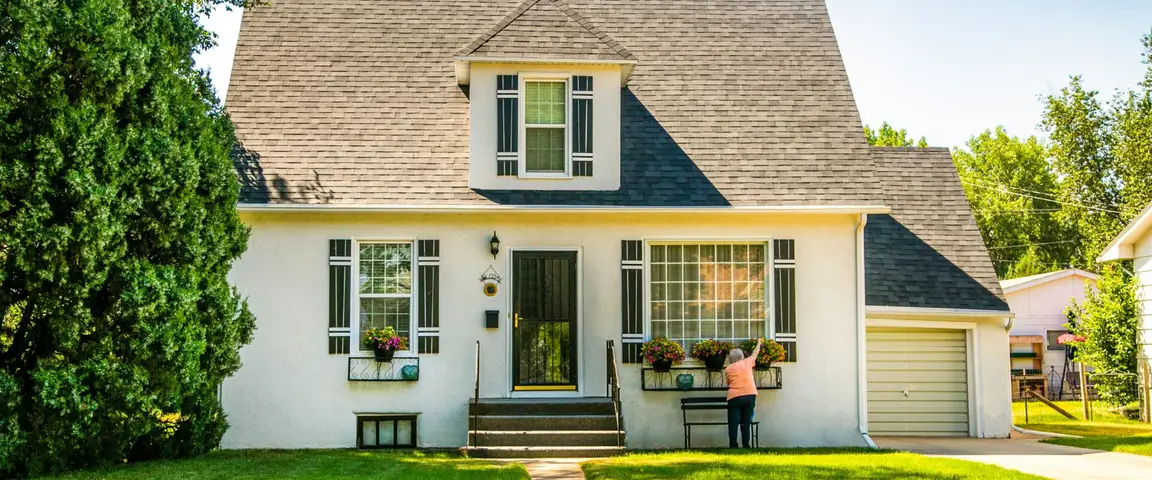
Exactly what happens when you inherit a house in Colorado?
There are a number of factors that should be taken into consideration when planning to sell an inherited house in Colorado. Some of these factors include… • Dealing with the emotional aspect of selling a loved one’s home • The financial cost of making the necessary updates intended to attract buyers • Dealing with potential costly liens and other hidden challenges First thing, get ready for a rollercoaster of emotions Selling a loved one’s house can be such an emotionally draining activity… This really cannot be stressed enough. The activity may involve removing his or her stuff, depersonalizing everything even more. When our emotions get carried away, we often don’t make the best business decisions. Times like that are when you need people with experience buying and selling probate homes in Colorado to help walk you calmly through the whole process. Negotiating and managing the selling process And other times, one might have to deal with expensive liens or other problems that don’t become apparent right away. Regarding these things, disagreements among your siblings might arise about the selling price of the house. Apart from that, you will have to meet the financial cost needed for making the required updates to make potential buyers aware of and (hopefully) interested in your inherited house. There are also legal and taxation aspects of the sale that you must understand to make the sale successful. These are the major problems that potential inherited house sellers have to deal with. Unless you are a professional in this area, the process can be tiring and daunting. Now you know what happens when you inherit a house in Colorado. This explains why you need to seek the help of real estate professionals who have had experience helping people sell their inherited houses. If you are considering selling your Colorado inherited house now or in the next few days or months, then you are better off speaking to one of our real estate experts. He or she will come in handy extremely to help make the process as simplified as possible. Give Grail Capital a call now at 970-682-3306. As a matter of fact, some of our real estate investors will be more than willing to buy your house if it meets their expectations.We’ll Buy Your Inherited House In 7 Days Or Less: Fill out the short form OVER HERE to see if your house qualifies.
Dealing with an inherited or probate property? We buy inherited houses across Colorado, work with personal representatives and estate attorneys, and can close remotely if the family lives out of state. Read our Colorado probate and title answers or get a no-obligation offer.
Inheriting a house in Colorado, in order
Most of the trouble comes from doing these out of sequence. In particular, nobody can sign a deed until step three, however urgent the situation feels.
- Pull the vesting deed from the county clerk and recorder. It costs a few dollars and it answers the only question that matters first: was the house held in joint tenancy with right of survivorship, did it pass by a recorded beneficiary deed, or was it in a revocable trust? If any of those apply, the house is outside the probate estate and most of what follows does not apply to you.
- Work out whether probate is needed. If the house was held solely in the decedent’s name, it is. There is no shortcut: the small estate affidavit under C.R.S. 15-12-1201 cannot transfer real estate, whatever the equity is, and the Colorado Judicial Branch forms say so on their face.
- Get Letters issued. Nobody has authority to convey until a personal representative is appointed, qualifies and is issued letters (C.R.S. 15-12-103). In an informal proceeding the probate registrar issues them, not a judge. Order several certified copies — a title company will want a recent one, and will read the box on the form that says whether the authority is restricted.
- Check what the will actually says about the house. If it is specifically devised to a named person, the personal representative’s general power of sale does not reach it. This is one of four limits that routinely catch families out.
- Deal with the carrying costs now, not later. Mortgage, taxes, insurance and utilities keep running from the date of death. Vacant-property insurance is its own problem: most standard policies restrict cover once a house has been empty for 30 or 60 days, so tell the insurer before you find out the hard way.
- Then decide: keep, rent or sell. Only at this point do you have the information to choose, and only now can you actually act on the choice.
If the plan is to sell
You can list and even sign a contract before probate is open — C.R.S. 15-12-701 lets a personal representative ratify beneficial acts done before appointment — but you cannot close. Build the probate timeline into the contract rather than hoping it keeps pace.
Once Letters exist, the sale is usually straightforward. The personal representative holds the same power over estate property that an absolute owner would, exercisable without notice, hearing or court order (C.R.S. 15-12-711), and a buyer dealing with them in good faith for value is protected as if the power had been properly exercised (C.R.S. 15-12-714). The full detail on selling during probate is here.
Three things make inherited houses harder to list than families expect: they are usually full of possessions nobody has had the heart to deal with, they have usually had deferred maintenance for years, and the people deciding are usually not in the same town, or the same mood. If any of that is the situation, selling as is or selling directly removes the clear-out, the repairs and the showings. We buy inherited houses with the contents still in them, across Fort Collins, Greeley, Loveland, Denver and the rest of the Front Range — you take what you want and leave the rest.
If there is a tenant in it, that is a different set of rules again: selling a tenant-occupied house in Colorado.
One thing we will not advise you on: the tax treatment. Basis on an inherited house works differently from a house sold during the owner’s life, and it can be worth a great deal of money. Talk to a CPA before you decide anything on that basis, and be wary of any cash buyer who volunteers an opinion about your capital gains.
What Colorado law actually says about an inherited house
Title passes at death, but it passes burdened
C.R.S. 15-12-101: on the death of a person, their real and personal property “devolves” to the people named in the will, or to the heirs if there is no will, subject to exempt property and family allowances, the rights of creditors, the surviving spouse’s elective share, and administration.
That phrase at the end is why “I inherited it, so I own it” is only half true. You have an interest from the date of death, and that interest sits behind the estate’s creditors and the administration of the estate. It is also why a buyer’s title company will not simply take an heir’s word for it.
Only a personal representative with letters can convey
To acquire the powers and duties of a personal representative, a person must be appointed, qualify, and be issued letters; administration is commenced by the issuance of letters (C.R.S. 15-12-103). In an informal proceeding the probate registrar issues them, not a judge (Judicial Branch form JDF 915), and the form states on its face that the letters are proof of the PR’s authority.
Once the PR has letters, selling is generally straightforward. C.R.S. 15-12-711 gives the PR “the same power over the title to property of the estate that an absolute owner would have,” in trust for creditors and others interested, and provides that the power “may be exercised without notice, hearing, or order of court.” The enumerated authority to sell and convey is in the Colorado Fiduciaries’ Powers Act at C.R.S. 15-1-804(2)(g)(I). It does not reach specifically devised property, and it yields to restrictions in the will or in a formal-proceeding order (15-12-715(1)) and to the limits of supervised administration (15-12-501, 15-12-504).
Buyers are protected, which is why this works at all
Two provisions do the heavy lifting in a probate closing:
- Buying from the personal representative: a person who in good faith deals with a PR for value “is protected as if the personal representative properly exercised his power,” and no provision in a will or court order limiting the PR’s power is effective except as to someone with actual knowledge of it (C.R.S. 15-12-714(1)). A recorded instrument bearing a noted documentary fee is prima facie evidence the transaction was for value (15-12-714(2)).
- Buying from a distributee: if distributed property is acquired for value by a purchaser, the purchaser takes title free of the rights of any interested person in the estate, “whether or not the distribution was proper or supported by court order,” and need not inquire whether the PR acted properly (C.R.S. 15-12-910).
You can list before probate is open. You cannot close.
C.R.S. 15-12-701: a personal representative’s powers “relate back in time to give acts by the person appointed that are beneficial to the estate occurring prior to appointment the same effect as those occurring thereafter,” and a PR “may ratify and accept acts on behalf of the estate done by others where the acts would have been proper for a personal representative.”
So a listing agreement and even a purchase contract can be signed early and ratified once letters issue. The conveyance itself waits for the letters. Put the probate timeline in the contract instead of relying on everyone’s patience.
The small estate affidavit will not move the house
C.R.S. 15-12-1201 covers collection of personal property by affidavit. Colorado Judicial Branch form JDF 999 says on its face that the affidavit is not valid for the transfer of real estate, and JDF 998 repeats it. The threshold adjusts annually under C.R.S. 15-10-112 and keys to the year of death: $88,000 for 2026 deaths and $86,000 for 2025, measured net of liens and encumbrances.
If someone tells you a $300,000 house can be transferred with a small estate affidavit because the equity is under the threshold, they are wrong twice over.
When probate is not needed
If the house was held in joint tenancy with right of survivorship, passed by a recorded beneficiary deed, or was titled in a revocable trust, it is not part of the probate estate and there is nothing to open. Order the vesting deed from the county clerk and recorder before you do anything else; it answers the question in about ten minutes and changes everything downstream.
Statutes cited above are current through the 2026 Colorado legislative session. Figures that move on a schedule should be confirmed for your year. This is general information about Colorado law, not legal advice — have a Colorado attorney or title professional review anything you intend to rely on.
Related guides
- What Can Go Wrong When You Inherit a House in Colorado
- Selling a Parent’s Home Before Death in Colorado: A Comprehensive Guide
- Can You Sell a House With a Quitclaim Deed in Colorado?
- Situations Where Selling Your Colorado House Fast Makes Sense
We buy inherited and probate property throughout Northern Colorado and the Denver metro, including Arvada, Westminster and Broomfield. See every Colorado city we buy in.
Written by Luke Angerhofer, founder of Grail Capital and an active Colorado employing real estate broker (licence ER 100018905, issued 2007). Luke began his career as a licensed Colorado real estate appraiser and has been buying houses directly from Front Range homeowners since founding Grail Capital in 2016. Grail Capital buys across Northern Colorado and the Denver metro. This article is general information about Colorado real estate and is not legal, tax or financial advice. More about Luke and Grail Capital.